Cleaning a Medical Office Waiting Room Between Patient Days
Waiting rooms are the most-touched space in a clinic, so the method matters more than the amount of spray.
October 26, 2026 · 3 min read
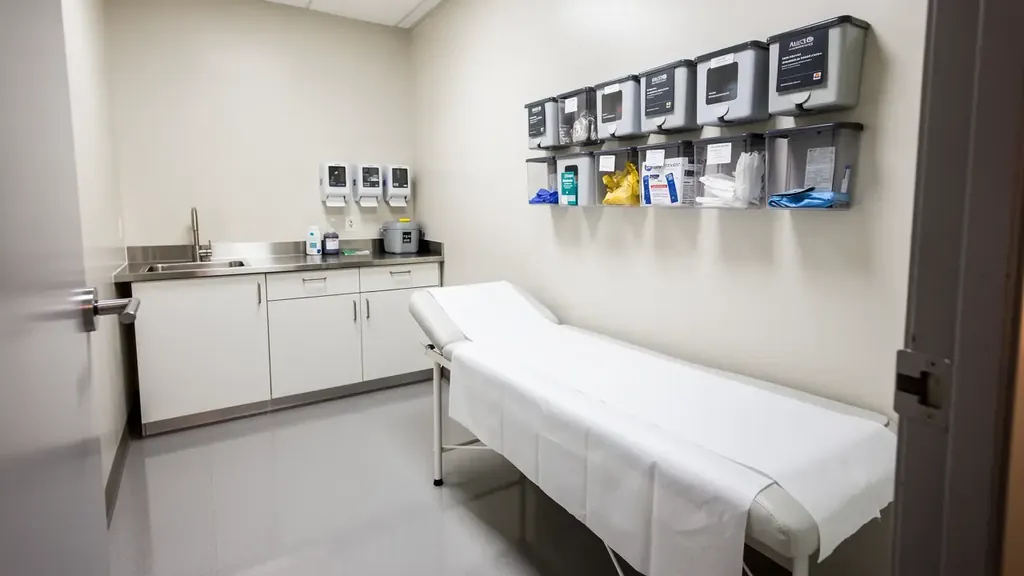
A clinic waiting room is judged in seconds. Patients walk in feeling unwell or anxious, and they notice the chair arms, the front desk, the floor and the smell before anyone says a word. The room also gets used by dozens of people with the same chairs, the same clipboard, and the same door handle. If you run a medical or dental office in Pineville, Alexandria or Lafayette, the cleaning between patient days needs a method, not just effort. This is a craft-level look at how a careful crew approaches it. Your own infection-control policies and your clinical staff set the rules for anything involving patients or equipment, and nothing here replaces them.
Think in touch points
In a waiting room, dust is the smaller problem. The bigger issue is what hands touch. Make a list of every surface a patient's hand reaches: the entry door push plate and handle, the check-in counter, pens, clipboards, chair arms and seat edges, the children's play corner, magazines, the water dispenser, the restroom door and faucet. Those get wiped every visit, in a set order. Everything else in the room can follow a lighter schedule.
A workable order for the waiting room
- Remove trash and recycling, and replace liners
- Dust or damp-wipe high surfaces first: shelves, picture frames, window sills, ledges
- Wipe the touch points: door handles, counters, chair arms, tabletops, clipboards and light switches
- Clean the glass at the front desk and entrance doors
- Vacuum or dust-mop the floors, then damp-mop hard floors
- Straighten chairs and tidy the magazines or toys that remain
The work moves from high to low, so anything that falls ends up on the floor, which is cleaned last. Soft items like fabric chairs and play toys are harder to clean than vinyl and wood, which is why many clinics choose wipeable seating and keep the toy selection small.
Restrooms in a medical office
Patient restrooms are used more heavily than staff restrooms, and they're often the room patients remember. The sequence is the same as any commercial restroom: restock first, apply cleaner and let it stand, wipe the mirrors and counters, scrub the fixtures, then empty trash and mop out. The details that matter in a clinic are the door handles and the faucet, the soap and towel dispensers, the grab bars, and the floor around the toilet. Specimen supplies and anything clinical stay with your staff, so make sure the crew knows which items to leave in place.
Cloth discipline
The most important habit in a clinic is keeping cloths separate. A cloth used in the restroom should never touch the check-in counter. Crews usually handle this with color coding and by changing cloths as they move between areas, rather than rinsing and reusing. The same rule applies to mops: restroom mop heads stay in the restroom. When a cloth is soiled, it goes into the laundry bag, not back into the bucket. It sounds like a small thing, but it prevents the cleaning itself from spreading what it's meant to remove.
What to leave to your staff
Exam tables, clinical equipment, sharps containers, medical waste and anything that touches a patient directly are normally handled by your own clinical staff following your own protocols. A cleaning crew handles the surrounding space: floors, counters in non-clinical areas, restrooms, the waiting room and the offices. Agree in writing about the boundary. That protects your patients and the cleaners, and keeps everyone clear about who does what.
Also be clear about which products you want used. Some practices have a preferred cleaner or have patients with sensitivities to strong scents. TNT Enterprizes LLC brings its own professional-grade products and equipment, and will use the client's products on request, which makes it easy to match what your office already has in place.
Floors, smell and timing
Sealed floors in waiting rooms and exam hallways get cleaned with a damp mop, changing the water as it clouds. A dirty mop bucket leaves a film and an odor that patients notice. Carpet in a waiting area should be vacuumed on every visit and deep cleaned on a calendar, because it holds what people carry in on their shoes. Plan the cleaning for after the last patient leaves, so surfaces have time to dry before the next day. Because patient days have a rhythm, a weekly or more frequent schedule usually fits a clinic better than a monthly one.
If you'd like a walkthrough of your waiting room and restrooms, call TNT Enterprizes LLC at (318) 880-1199 for a free, no-obligation estimate.
TNT Enterprizes LLC, (318) 880-1199
Call (318) 880-1199More articles
What a Small Office Janitorial Checklist Should Cover, Room by Room
Most offices say they want it clean without ever writing down what clean means, so here is the list a good crew works from.
After the Contractors Leave: What Post-Construction Cleaning Actually Involves
Construction dust settles into places a broom never reaches, and the order you clean in decides whether you do the job once or three times.