What a Small Office Janitorial Checklist Should Cover, Room by Room
Most offices say they want it clean without ever writing down what clean means, so here is the list a good crew works from.
October 26, 2026 · 4 min read
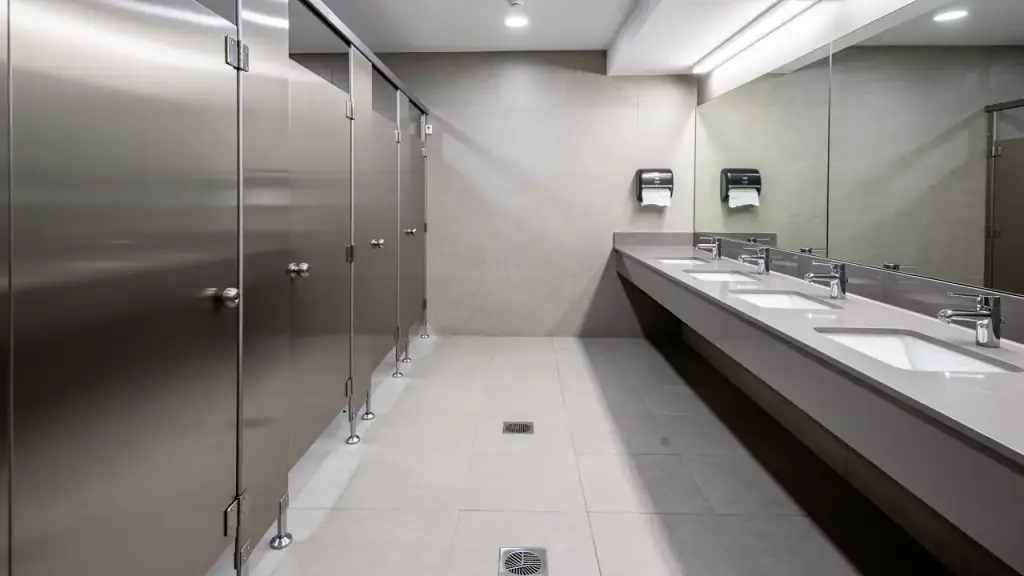
Most small offices don't have a written cleaning checklist. They have a feeling. The place looks fine until a client mentions the restroom, or until the break room smell drifts up to the front desk. A checklist fixes that, because it turns the word clean into a list of tasks someone can check off. Whether you hire a crew or handle it in house, here is what a janitorial visit should cover, room by room, for a typical office in Pineville, Alexandria or Lafayette.
Start where clients walk in
The entrance and reception area set the first impression, so they get attention first. Glass doors collect fingerprints at hand height, and the push plates and frames collect more. Wipe the glass, the handles and the threshold where grit builds up. Dust the reception desk, the chairs, the plant leaves and the table where the magazines sit. Vacuum or dust-mop the floor last, working toward the door so you aren't walking dirt back across clean carpet.
Weather matters here in Louisiana. Rain and humid air mean more grit tracked inside and more damp mats. Check the entry mats on every visit. A mat that is soaked through or packed with sand does more harm than good, because it just spreads what it was supposed to catch.
Open office and workstations
Desks are where the cleaners and your employees need to agree on rules. A good default is that the crew wipes clear surfaces and leaves papers and personal items alone. If you want a desk wiped, staff should clear it before they leave. Tell the crew in advance which desks are off limits. Beyond the desks, the open-office part of the checklist usually looks like this:
- Empty wastebaskets and replace liners, checking the bottom of the bag for leaks
- Dust horizontal surfaces such as file cabinets, window sills, monitor stands and shelves
- Wipe shared equipment, including the copier lid, printer panel and control buttons
- Spot clean glass partitions and conference room tables
- Vacuum carpet in the traffic lanes and under desks, and dust-mop or damp-mop the hard floors
- Straighten the chairs so the room looks finished when the lights go off
Phones, keyboards and mice get touched all day. If you want them cleaned, say so in writing. Many crews skip electronics on purpose to avoid damaging them, and that's a reasonable call. It just needs to be spelled out so nobody assumes.
Restrooms get their own sequence
The restroom is the one room where visitors judge the whole business. The order of work matters. Go top to bottom and clean to dirty, so you never carry anything from the toilet to the mirror on the same cloth.
- Restock soap, paper towels and toilet paper first so nothing gets forgotten
- Apply cleaner to the toilets, urinals and sinks and let it sit while you do the rest
- Wipe the mirrors, counters, dispensers and door handles
- Scrub the bowls, then wipe the outsides of the fixtures, including the base and the back of the seat
- Empty the trash and any sanitary bins
- Mop the floor last and finish at the door
Two spots get missed again and again. One is the wall behind the toilet and the bottom of the stall partitions, where splash collects. The other is the exhaust vent. When it's furred with dust it stops pulling air, and the room smells stale no matter what you spray.
Break room and kitchen
The break room is small, but it affects more people than any other space, since everyone eats there. The checklist should cover wiping the tables and counters, cleaning the inside of the microwave, wiping the refrigerator front and the appliance handles, cleaning the sink and drain area, and emptying the trash every visit, because food waste is what drives odor. Cleaners can't tell whose lunch is whose, so the refrigerator purge belongs to the office. Put a weekly reminder on the calendar and let staff do it. Coffee makers need a periodic descale, which is worth a line on the monthly list.
Floors, details and the monthly list
Daily and weekly work keeps an office presentable. The monthly and quarterly items keep it from slowly getting worse. That list includes dusting vents and light fixtures, cleaning baseboards, wiping door frames and light switch plates, and washing interior glass. Carpet needs deeper cleaning on a longer cycle that depends on traffic, and hard floors eventually need more than a mop. Splitting the checklist into daily, weekly and monthly sections keeps each visit short and makes sure the deep items don't quietly fall off.
Put the whole thing in writing and leave space for the crew to initial each visit. That way you can see what was done without having to ask. TNT Enterprizes LLC works from a checklist on every janitorial job, and the estimate comes with a breakdown of material and labor so you can see where the time goes. The crew is TNT's own screened and trained staff, not independent contractors, which makes it easier to keep the same people on your building.
If you'd like a checklist built around your office, call TNT Enterprizes LLC at (318) 880-1199 for a free, no-obligation estimate. The office is open Monday through Saturday, 9 to 5.
TNT Enterprizes LLC, (318) 880-1199
Call (318) 880-1199More articles
After the Contractors Leave: What Post-Construction Cleaning Actually Involves
Construction dust settles into places a broom never reaches, and the order you clean in decides whether you do the job once or three times.
Green Cleaning That Works: HEPA Vacuums and Microfiber Versus a Label
A green label on a spray bottle tells you very little, while the equipment in the cleaner's cart tells you a lot.